

Not All Herbal Tea Is Made The Same: Choosing the Right Extraction Method for Your Herbs
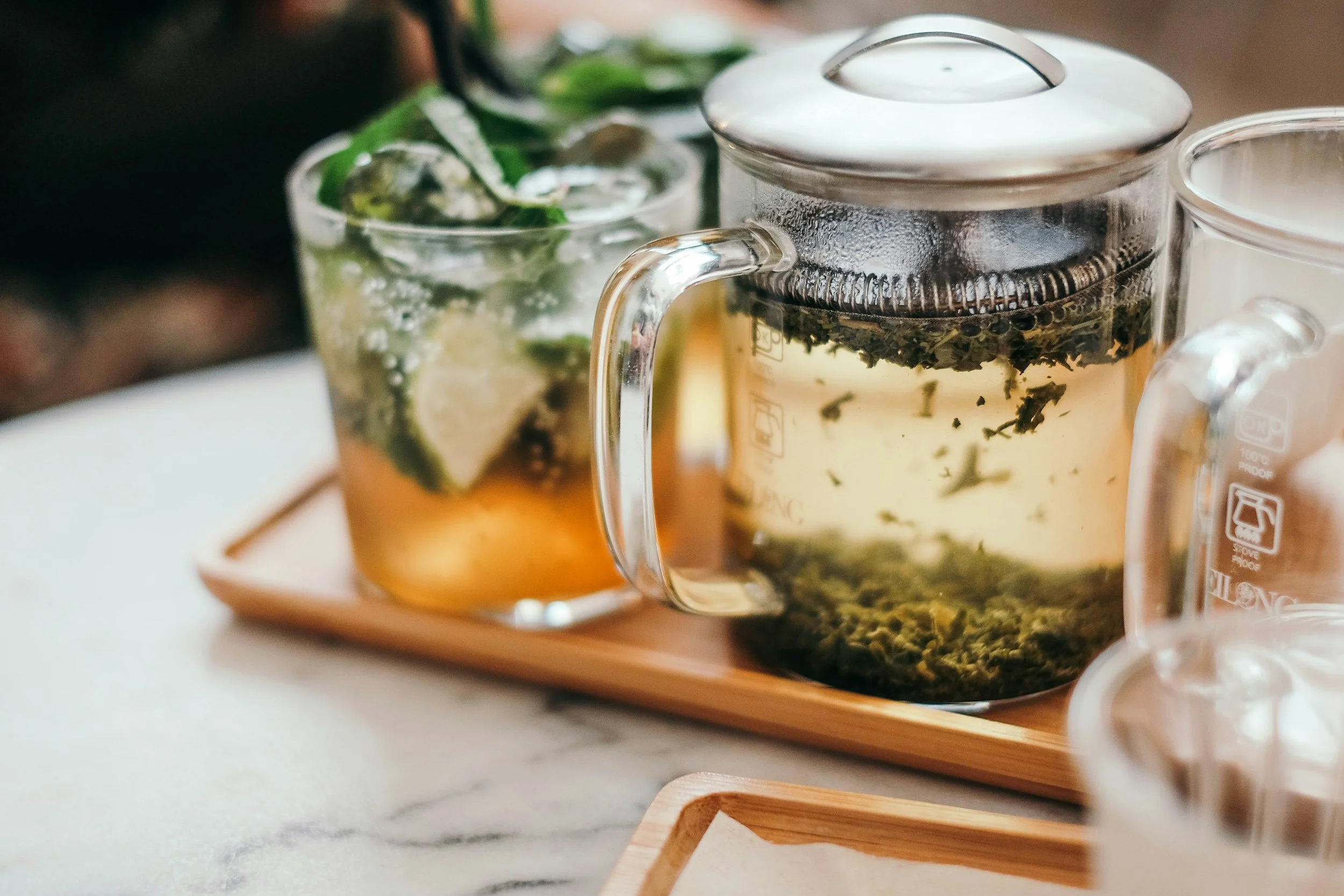
One thing about herbalism, is that the deeper you go, the more you realize there is always another layer.
If you’re new to the world of tea or tisanes you may be like most people who just toss a tea bag into hot water for a few minutes and call it a day. Maybe that’s all you have time for or you are drinking it for flavor purposes only.
And while there is absolutely nothing wrong with that, herbalists have been working with plants in many different ways for centuries because different plants give us different things and they don't all release their gifts in the same way.
This is the difference between herbal tea as a flavored drink and herbal tea as medicine.
Some herbs are delicate and aromatic.
Some are dense and woody.
Some contain minerals that require time to extract.
Others contain compounds that can be damaged by excessive heat.
And the preparation method matters quite a bit.
Let's talk about some of the most common ways herbalists work with plants and why you might choose one method over another.
The Everyday Infusion
This is what most people think of when they think of herbal tea.
An infusion is made by pouring hot water over herbs and allowing them to steep for a period of time, usually anywhere from 5 to 20 minutes.
This method works beautifully for leaves, flowers, and most aromatic herbs.
Think: Peppermint, Lemon balm, Tulsi, Chamomile, Lavender, Calendula.
These herbs contain many volatile aromatic compounds that are easily extracted with hot water.
Because these plants are generally softer and less dense, they do not require prolonged cooking to release their constituents.
An infusion is often perfect when you're looking for gentle daily support, relaxation, digestive comfort, or simply a beautiful ritual.
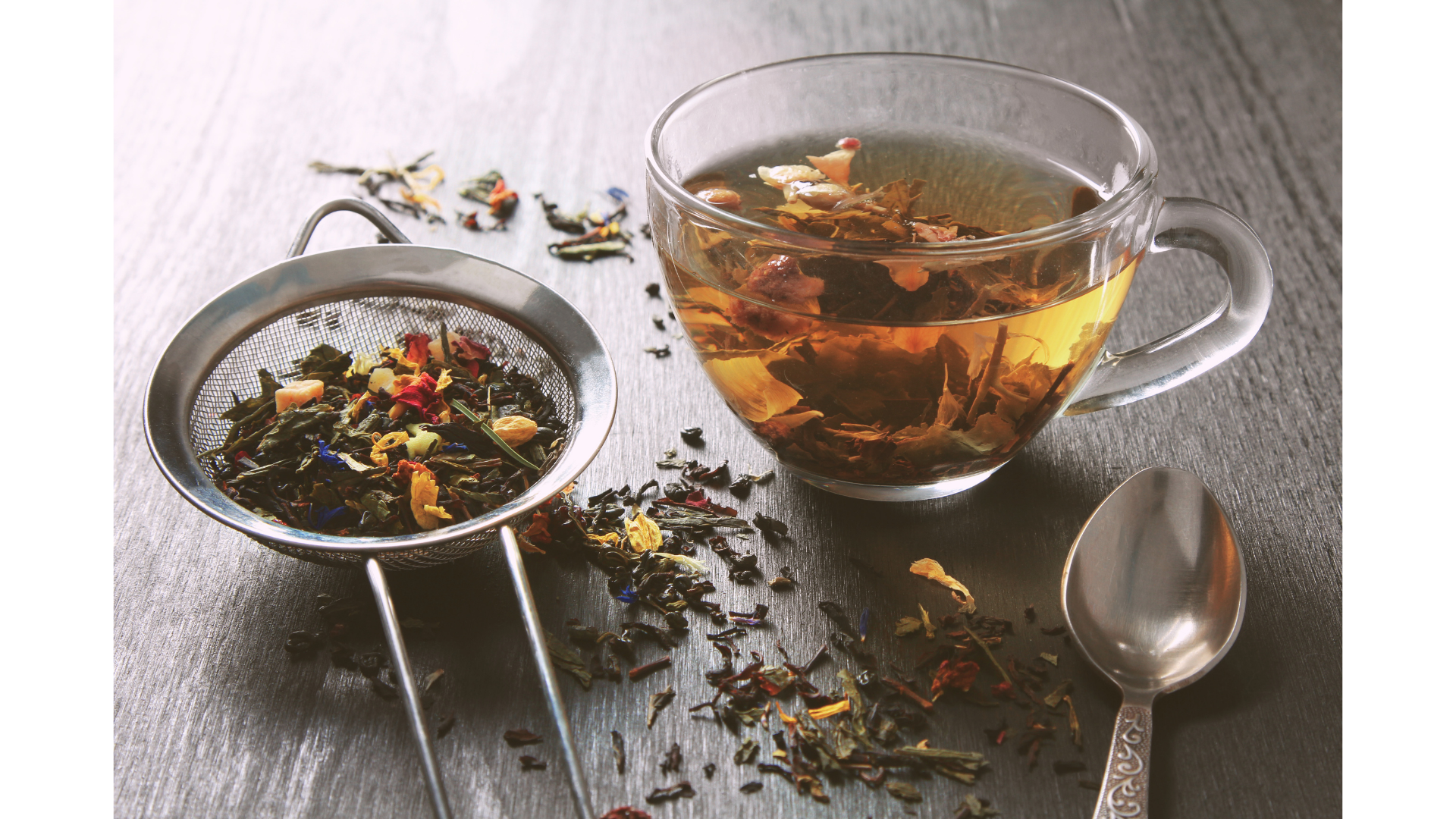
The Long Infusion (one of my personal favorites)
If you've spent any amount of time around herbalists, you've probably heard someone passionately talking about overnight nettle infusions.
That someone may have been me. You will find a long infusion of Nettle in my fridge almost weekly.
A long infusion is exactly what it sounds like - Instead of steeping herbs for 5 to 10 minutes, you allow them to sit in hot water for several hours or overnight.
This method is particularly valuable for nutritive herbs rich in minerals and water-soluble nutrients.
Think: Nettle, Raspberry leaf, Oatstraw, Red clover, Alfalfa.
Many herbalists use long infusions when they want deeper nourishment rather than quick symptom support.
Research has shown that extraction of minerals and polyphenols continues over extended steeping times, which helps explain why longer infusions can be significantly more nutritive than a quick cup of tea.
Decoctions: Get ready to simmer
Not all plants are delicate little flowers. Some are roots. Some are bark. Some are seeds.
And they require a different approach.
A decoction involves simmering herbs in water over low heat, typically for 20 to 45 minutes.
This method is ideal for tougher plant material such as: Dandelion root, Burdock root, Chicory root, Elecampane, Astragalus, Cinnamon bark, Elder berry, Rosehip.
Because these plants have dense cellular structures, simmering helps break down tissues and extract constituents that may not fully release during a simple steep.
If you've ever wondered why your dandelion root tea doesn’t have a strong taste after only steeping it for 5-10 minutes, this is why. And as mentioned above, you are not getting the full medicinal benefits from that short steep.
So get your pot out and start decocting!
Broths: Herbalism hiding in plain sight – another kind of decoction
One thing I think we forget is that herbalism doesn't always have to look like herbalism - sometimes it looks like dinner!
Traditional cultures have long incorporated medicinal herbs into soups, broths, stews, and slow-cooked meals.
Think about how often ingredients like: Garlic, Ginger, Rosemary, Thyme, Parsley, Turmeric, Bay leaf. So if you use these often to cook, yes you are practicing herbalism ;)
These herbs have appeared throughout culinary traditions. And they don't suddenly stop being medicinal because they're in soup.
Many actually become quite accessible through long, slow cooking.
A mineral-rich vegetable broth simmered with nettle, thyme, garlic, and parsley can be both nourishing food and gentle herbal support.
One of my favorite herbalism reminders is this:
Food and medicine have never been as separate as we've been taught to believe. Food is medicine and plants/herbs are food.
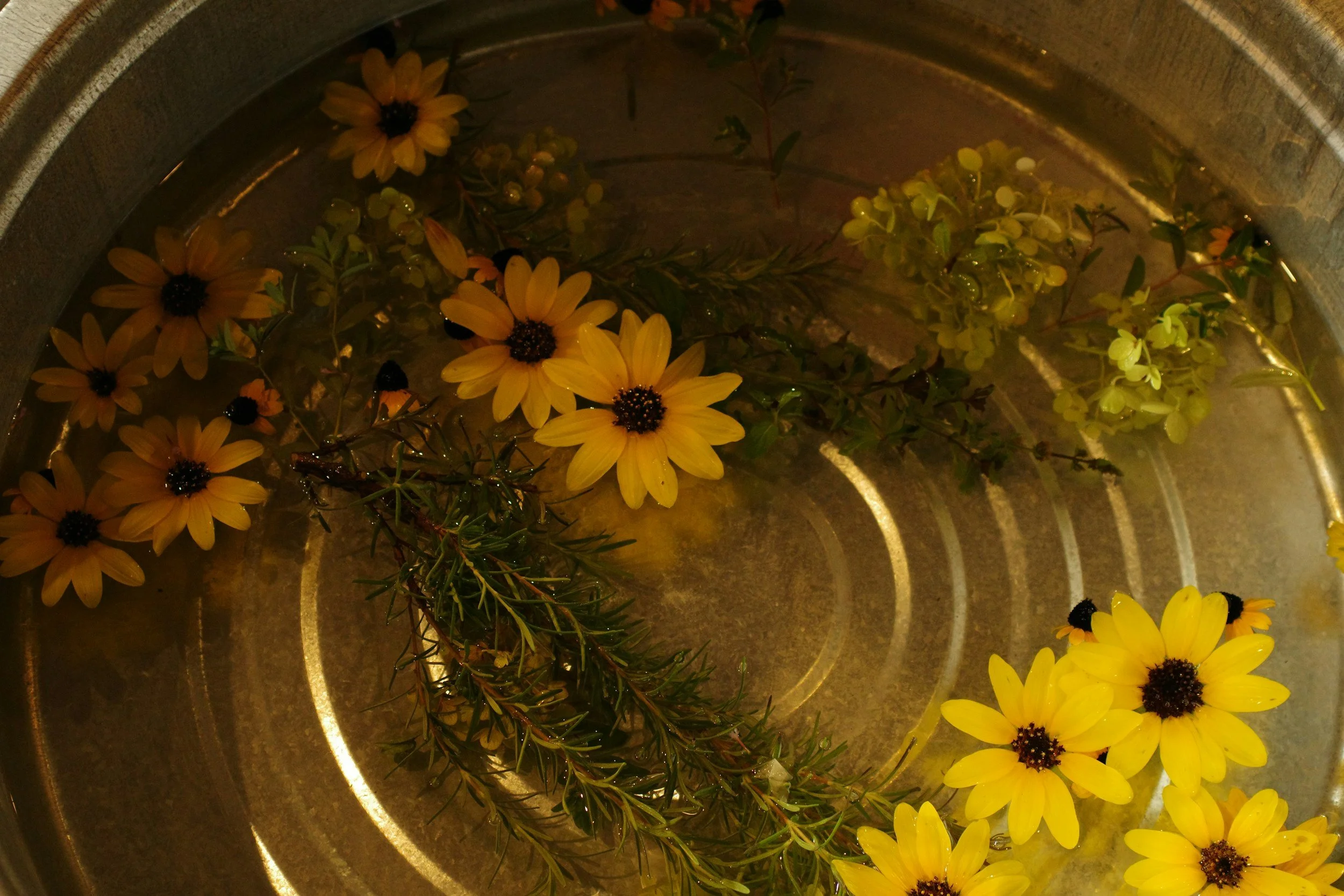
Cold Infusions: The Underrated Method
Cold infusions deserve far more attention than they get.
Instead of using heat, herbs are soaked in cool water for several hours or overnight.
This method works particularly well for herbs that contain mucilage.
Mucilage is a slippery, gel-like substance that helps soothe and moisten tissues.
Think: Marshmallow root, Marshmallow leaf, Slippery elm, Chia seeds, Flax seeds even Nettle and Oatstraw.
Heat can sometimes alter the texture of these constituents, while cold water beautifully preserves their soothing qualities. The result is often a silky, refreshing preparation that feels incredibly supportive for dry tissues.
Especially during hot weather.
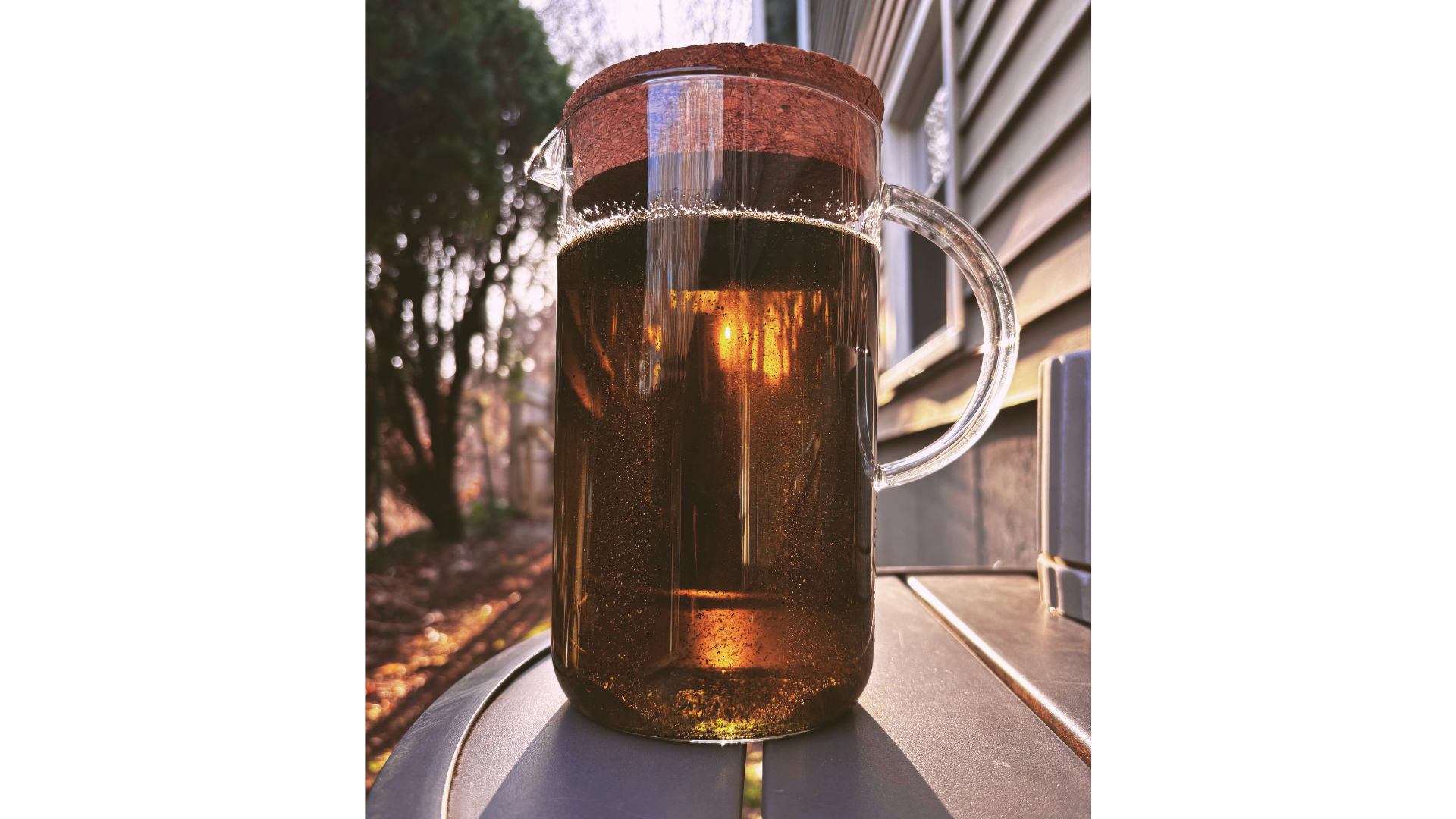
So which method is best?
The herbalist answer is: it depends.
The best method depends entirely on the plant you're working with and what you're hoping to receive from it.
For delicate aromatic herbs?
An infusion is usually perfect.
For mineral-rich nutritive herbs and deep nourishment?
Consider a long infusion.
For roots, bark, and seeds?
A decoction is often ideal.
For mucilaginous herbs?
Try a cold infusion.
The beautiful thing about herbalism is that there is rarely one "correct" answer.
There are simply different ways of building a relationship with a plant. And the more time you spend working with herbs, the more you start noticing how preparation changes not only the flavor, but also the experience.
The same plant can show up differently depending on how you invite it into the cup.
And honestly? I think that's part of the magic.
So the next time you reach for your favorite herbal blend, consider experimenting.
Steep it longer. Make an overnight infusion. Try a decoction. Add herbs to a broth.
Get curious!
Because herbalism isn't just about which plants we choose.
It's also about learning how to listen to what those plants need in order to share their medicine with us.
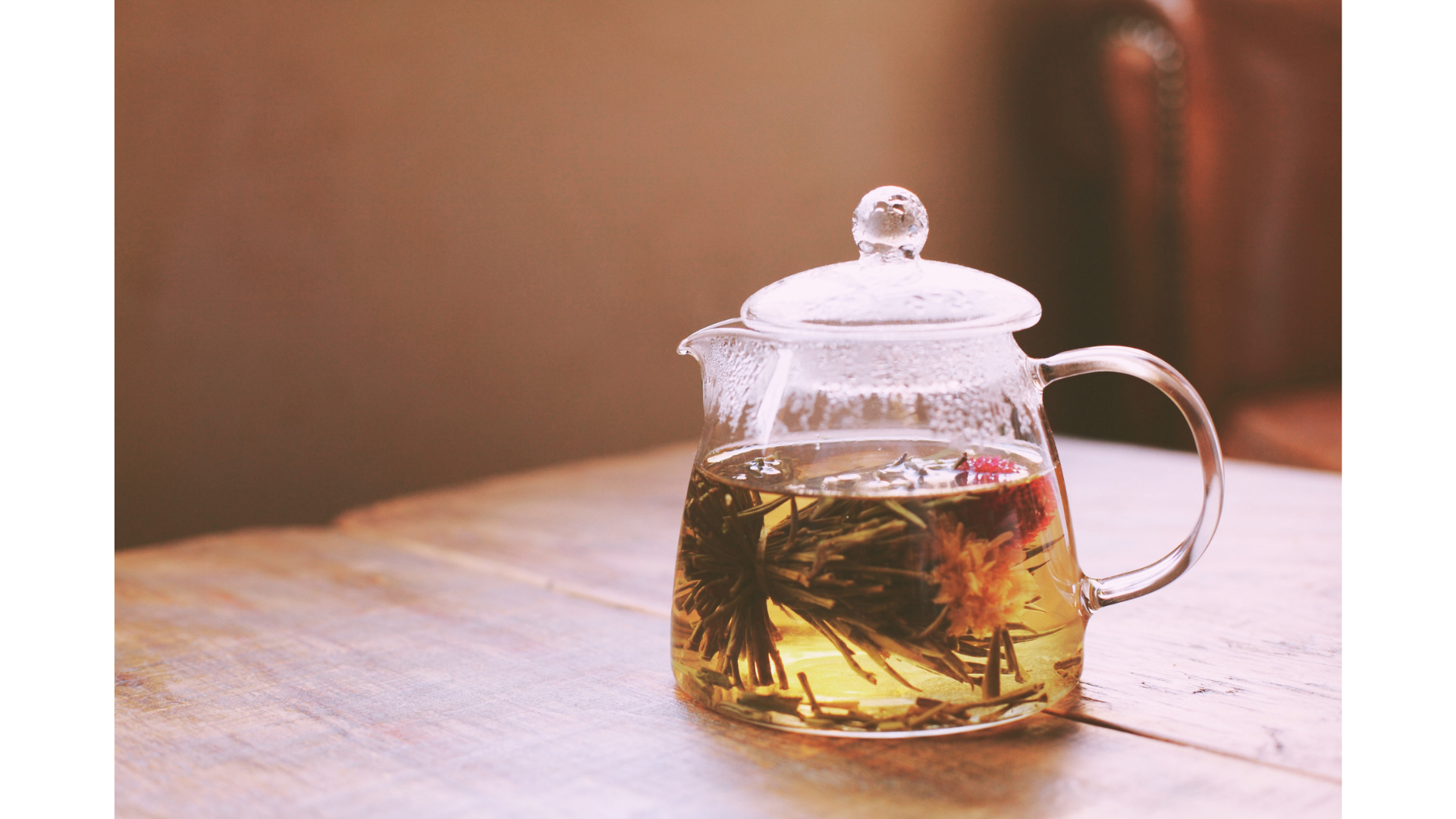
Curious about how to steep your Lunaria Herbal tea blends? Don’t hesitate to reach out, I am always here to help guide you!
Email: lunariaherbals@gmail.com