

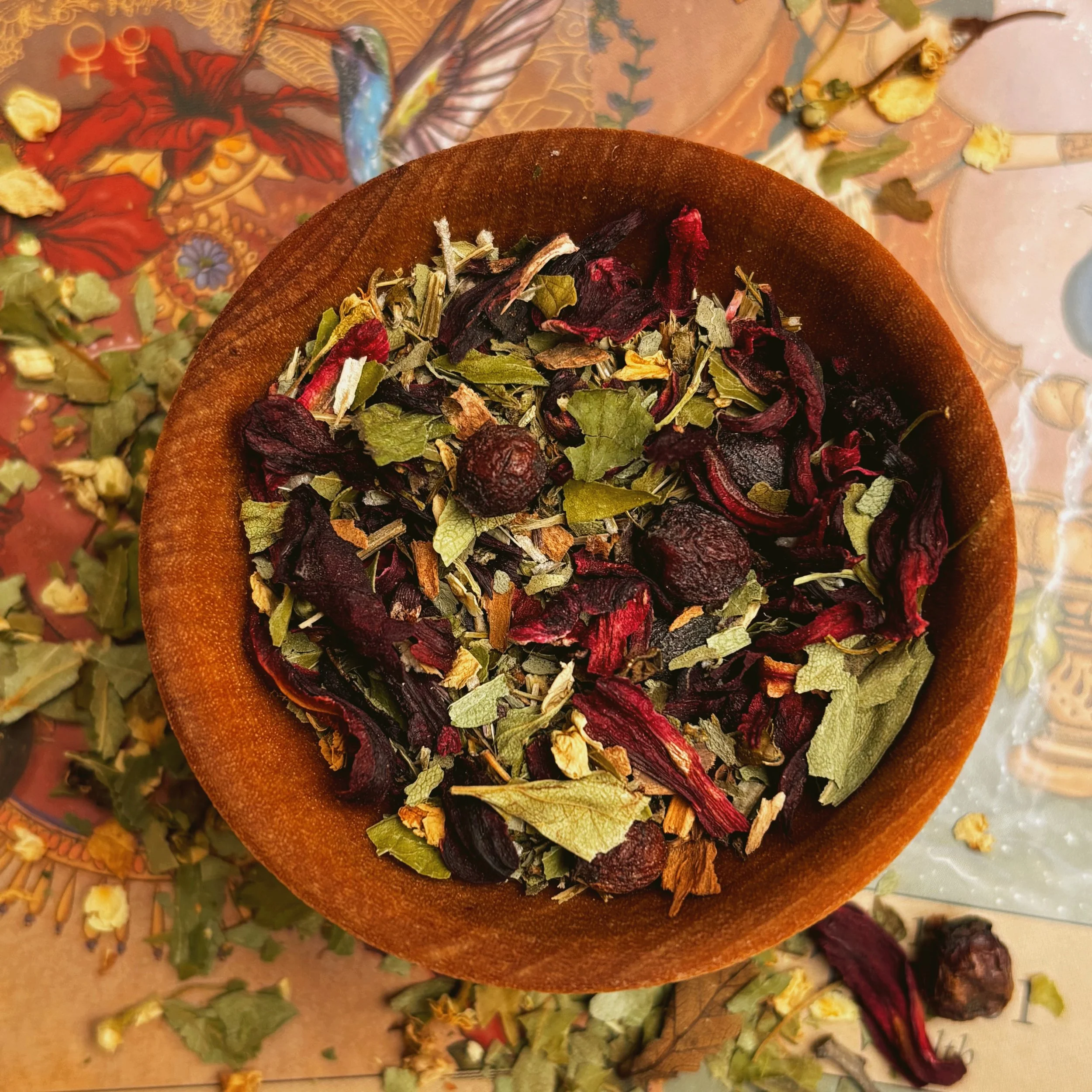
 Image 1 of 5
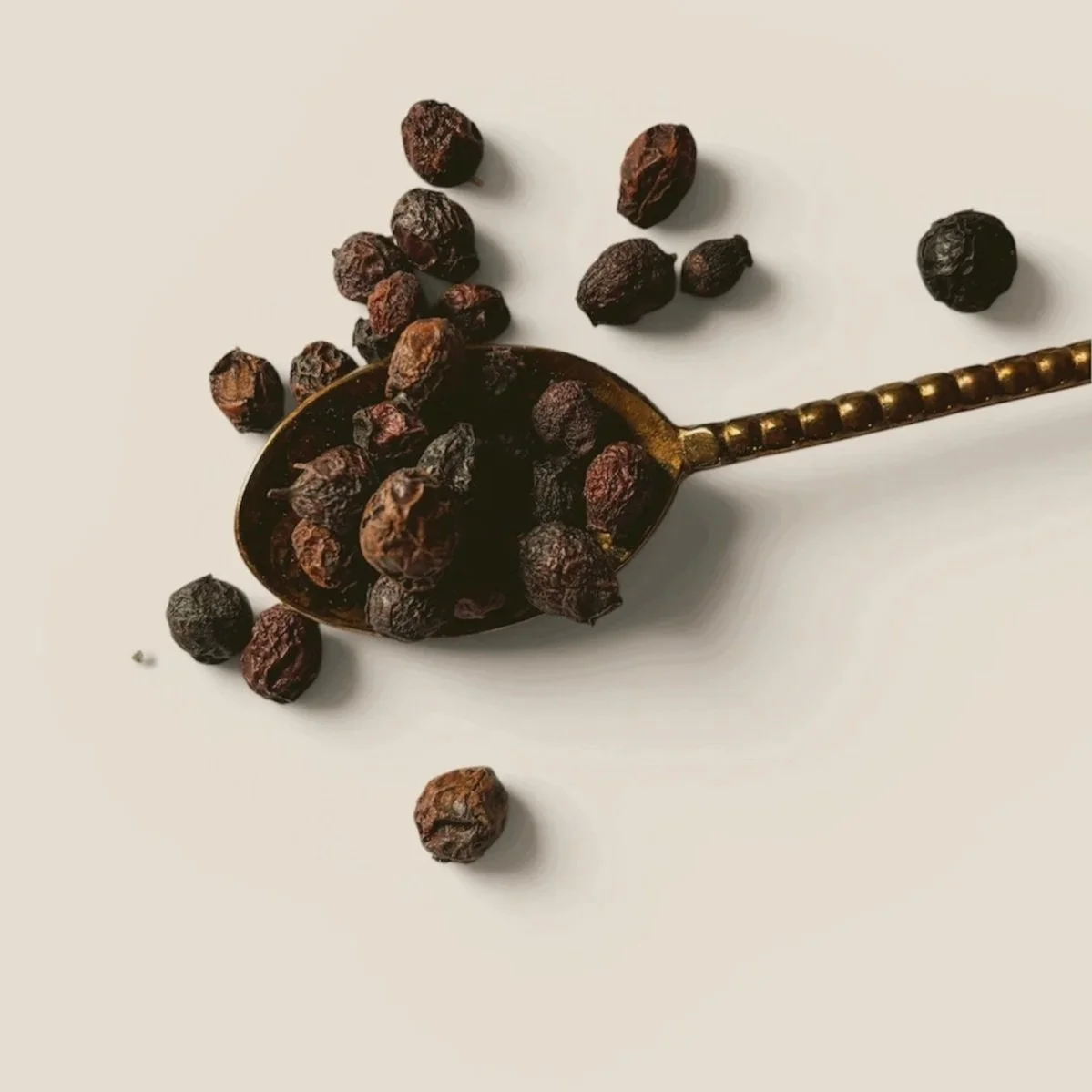 Image 2 of 5
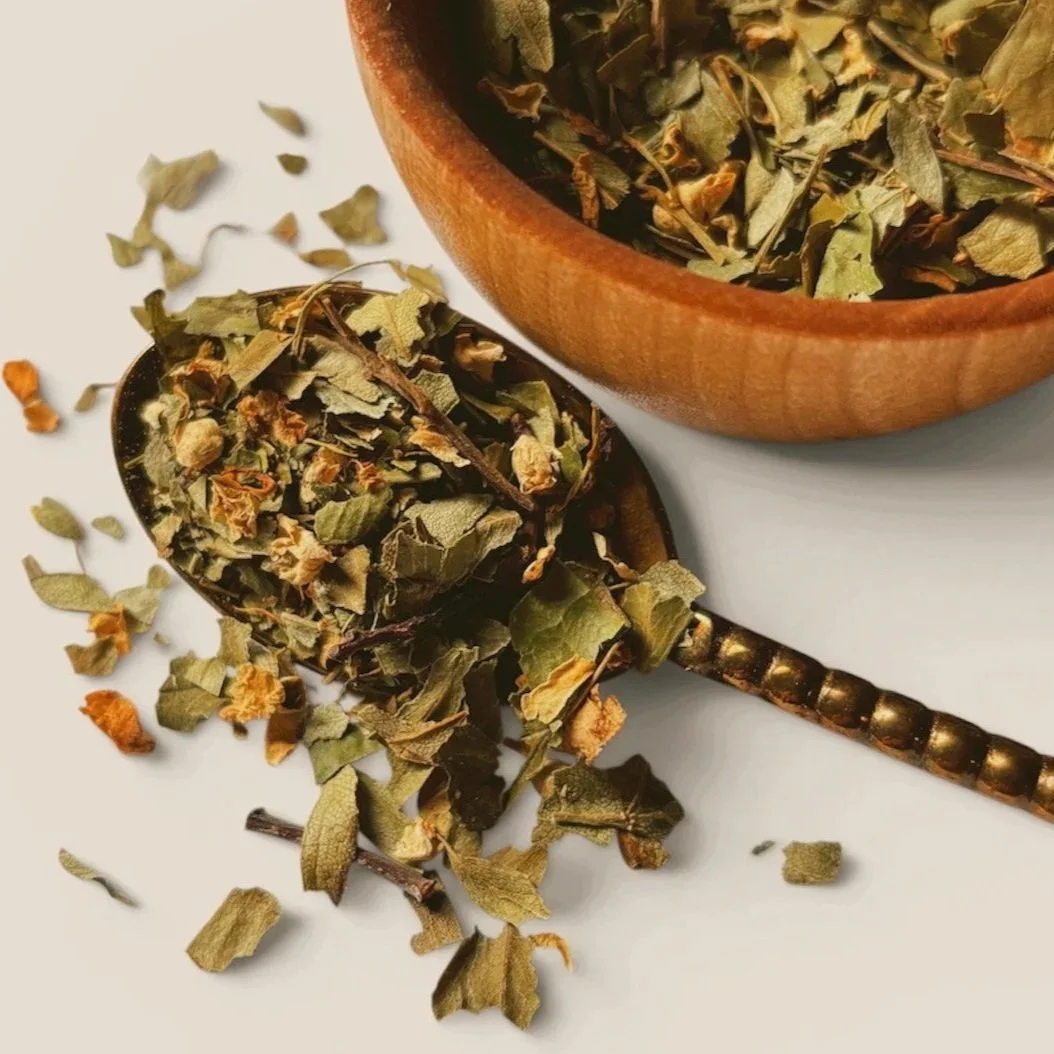 Image 3 of 5
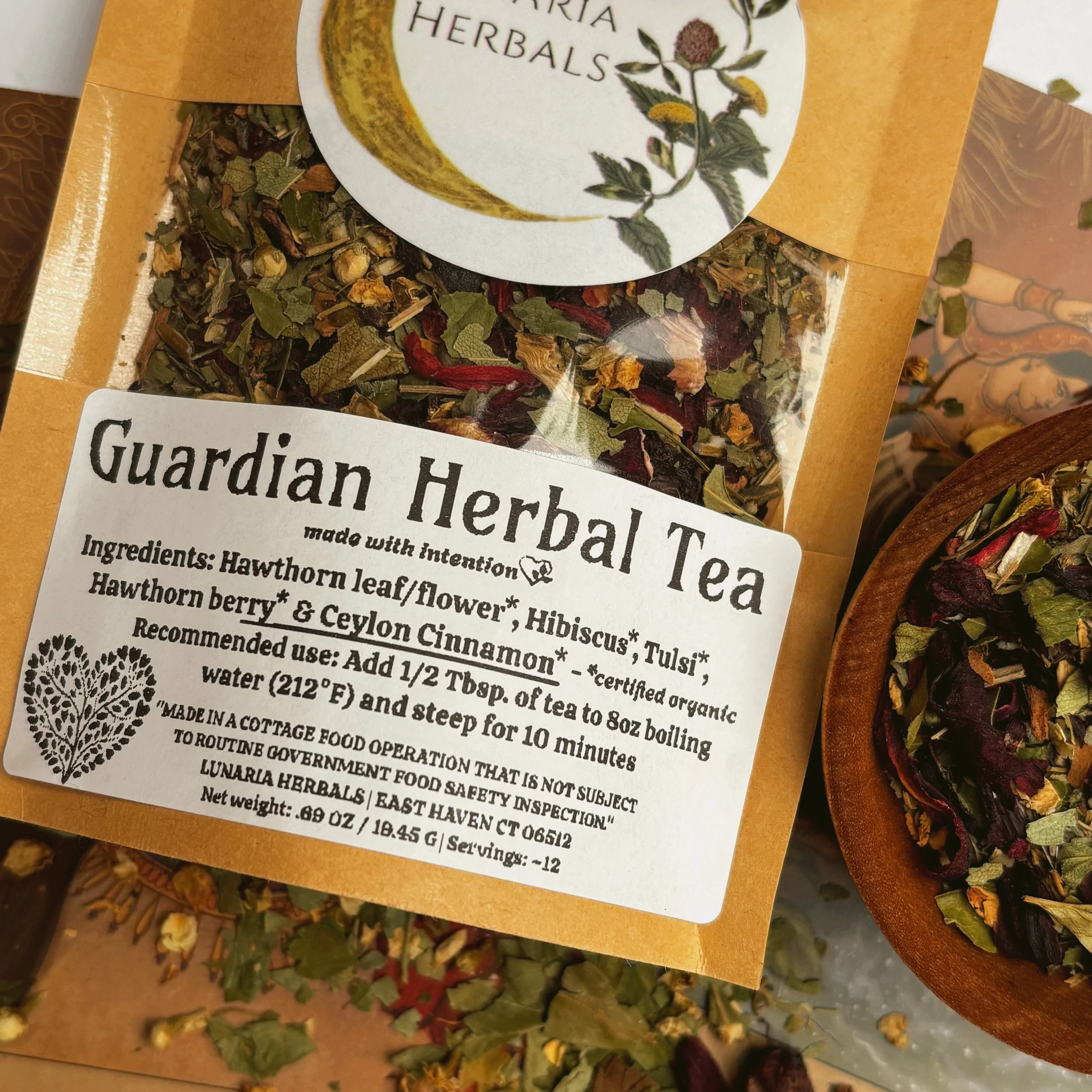 Image 4 of 5
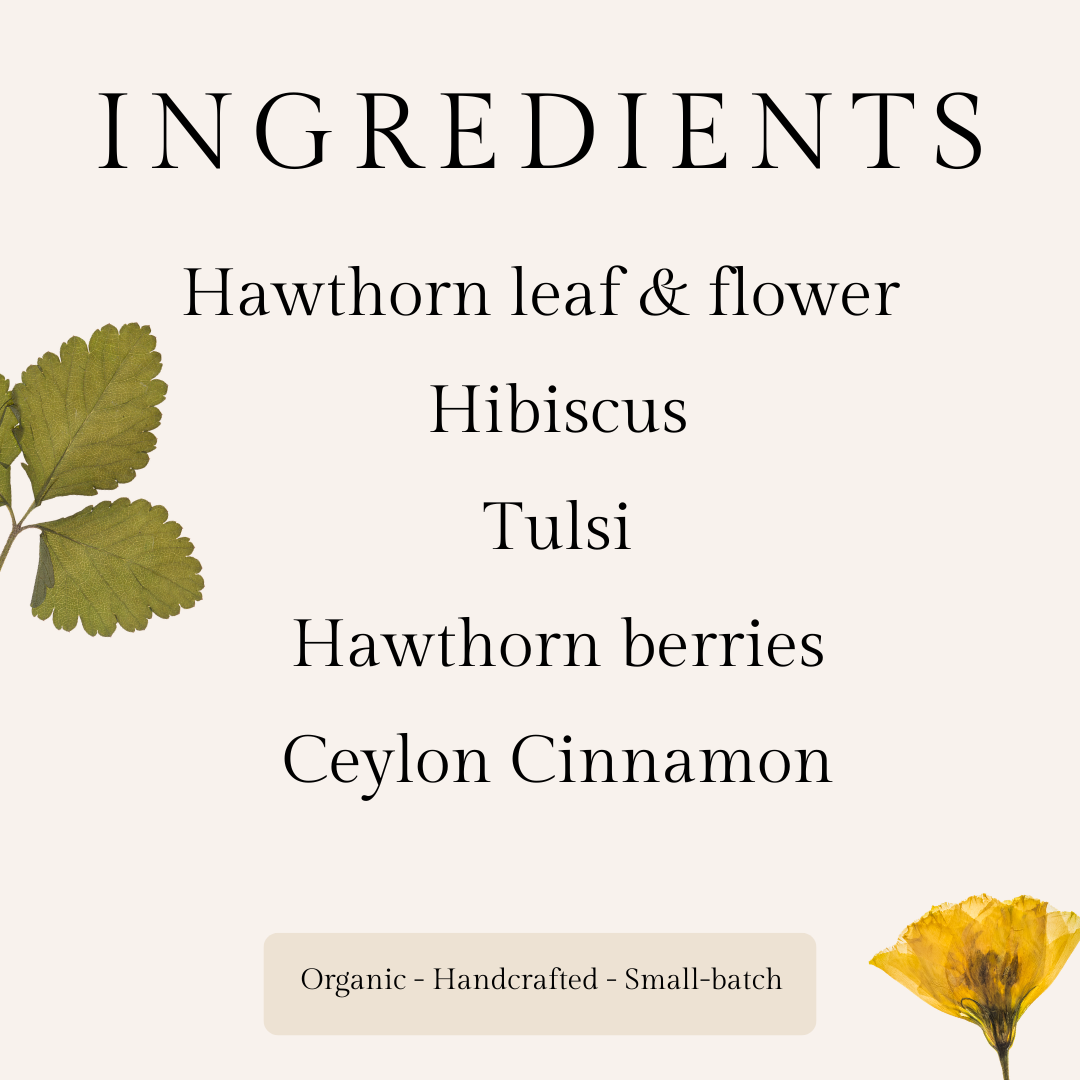 Image 5 of 5

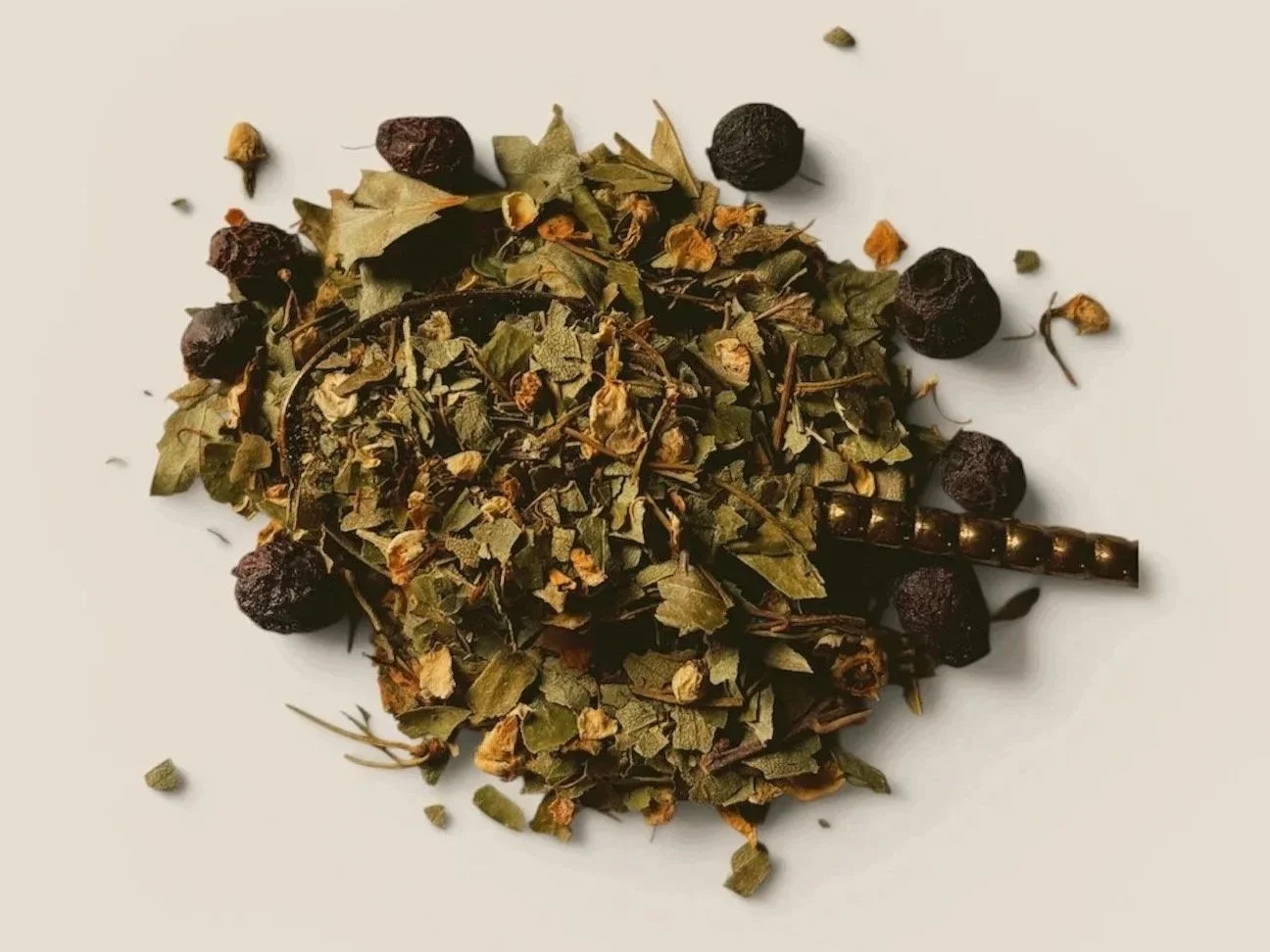
Hawthorn Leaf & Flower (Crataegus spp.) - considered some of the most important herbs in traditional Western herbalism for supporting the cardiovascular system. As a cardiac trophorestorative, hawthorn helps restore and nourish the structure and function of the heart over time. Traditionally used to strengthen circulation and support healthy heart function, hawthorn also acts as a gentle nervine that soothes emotional stress and protects the energetic heart. As a member of the rose family, it carries the same affinity for the emotional and physical heart found in many plants within this botanical lineage.
Hawthorn Berry (Crataegus spp.) - a rich source of antioxidants and flavonoids that help support healthy blood pressure, circulation, and heart function. It has long been used as a cardiotonic, helping strengthen heart muscle contractions while increasing coronary blood flow. Hawthorn berry also supports cardiovascular health by modestly reducing cholesterol levels and helping inhibit LDL oxidation, which can contribute to plaque formation in the arteries. Its actions help normalize heart function, gently supporting the system according to the body’s needs.
Hibiscus (Hibiscus sabdariffa) - provides vibrant antioxidant support due to its high levels of anthocyanins, the plant pigments responsible for its deep crimson color. These compounds help reduce oxidative stress and protect the health of blood vessels. Traditionally used around the world to support cardiovascular health, hibiscus has been studied for its ability to help maintain healthy blood pressure and cholesterol levels while improving circulation. Its cooling, tart nature also helps tone irritated tissues and refresh the body.
Holy Basil / Tulsi (Ocimum tenuiflorum) - revered adaptogenic herb in Ayurveda known for its ability to calm the nervous system while strengthening resilience to stress. Often referred to as the “Queen of Herbs,” tulsi helps balance emotional and physical stress while gently supporting heart health. Tulsi enhances healthy circulation, supports cardiovascular function, and helps reduce the physiological impact of stress through its adaptogenic actions. In Ayurvedic tradition, tulsi is considered a rasayana, meaning it nourishes the body’s tissues and promotes long-term vitality.
‘Ceylon’ Cinnamon (Cinnamomum verum) - brings warmth and circulation to the blend, helping encourage healthy blood flow throughout the body. Traditionally used to support metabolic health, it also plays a role in helping maintain balanced blood sugar levels. Its warming and smooth muscle relaxing properties support healthy blood pressure regulation.
How This Blend Supports You
Supports overall cardiovascular health and heart function
Provides potent antioxidant protection against oxidative stress
Helps maintain balanced blood pressure
Encourages healthy circulation and vascular tone
Nourishes and calms the nervous system
Supports balanced blood sugar and metabolic health
Cardiovascular disease and heart disease remains one of the leading health risks in the US. Major cardiovascular risk factors include hypertension (high blood pressure), high “LDL” cholesterol and other lifestyle factors. Sedentary behavior and poor diet are major drivers of increased risk. Prevention is possible with improvements to lifestyle as well as incorporating potent herbal medicines that have been used and trusted for centuries. The addition of herbs help the body operate at its optimal level without overwhelming unlike most prescription medications. When supporting the heart we want a remedy that won’t put stress on our systems and herbal medicine does just that!
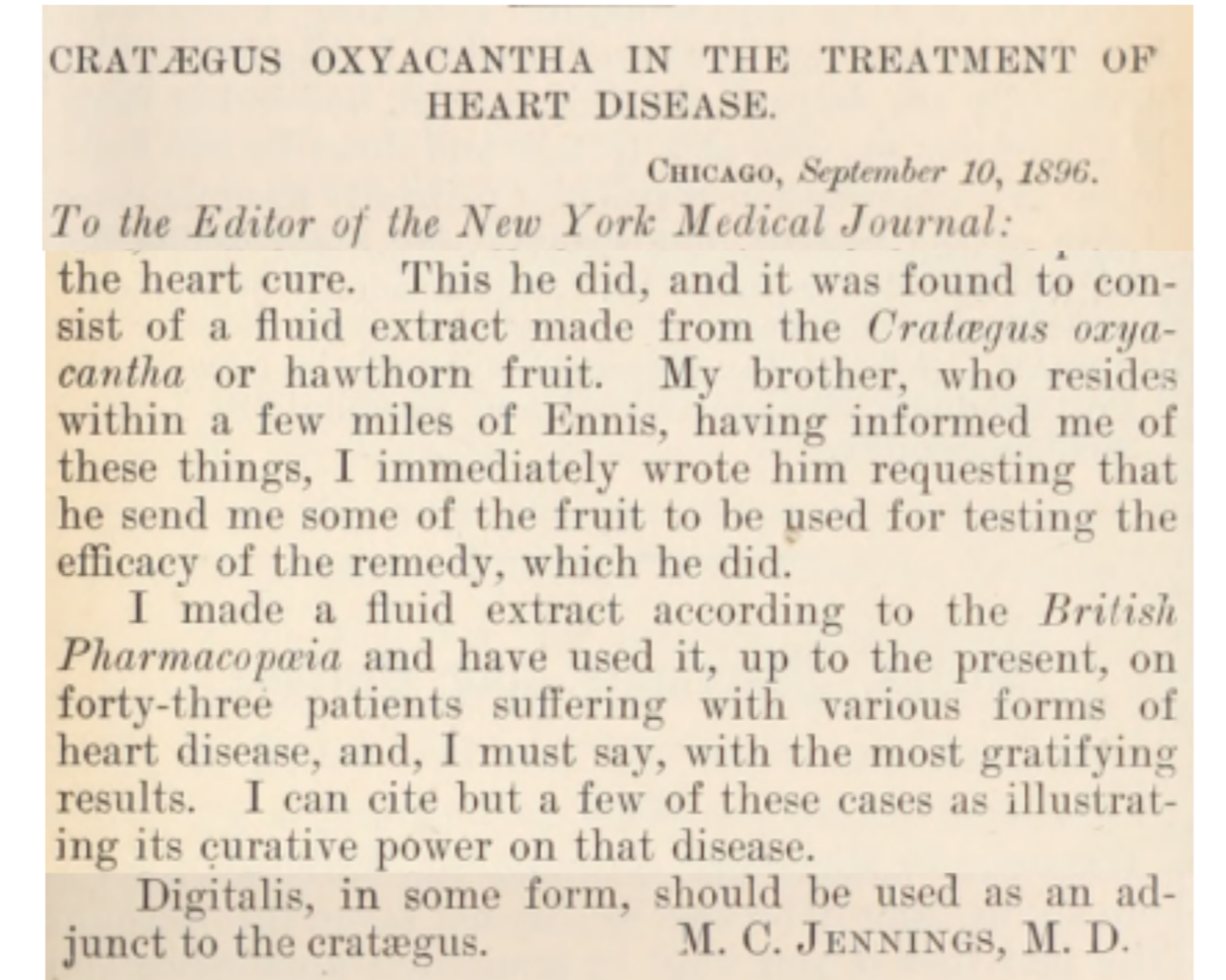
“In 1896, an American physician in Chicago, Dr. Jennings, published a letter in the New York Medical Journal reporting success in giving his own heart patients hawthorn, proclaiming: Crataegus oxyacantha is superior to any other of the well known and tried remedies at present in use in the treatment of heart disease… [and] …it may be regarded as specific, or the nearest approach to a specific, in the following cardiac diseases: Angina pectoris, valvular deficiency, with or without enlargement, endo-myo and pericarditis, tachycardia, rheumatism (co-called) of the heart, cardiac neuralgias, from whatever cause, palpitation, vertigo, apoplexy, dropsy, and functional derangements.”