

Why Quality Matters: The Difference Between Whole Plant Tea and Commercial Tea Bags
If you’re reading this, I’m guessing you already care, at least a little, about what goes into your body. Maybe you’ve felt the difference between slowing down and rushing through your day. Maybe you’re starting to question why some teas taste flat, bitter, or leave you feeling… nothing at all.
I want to gently pull back the curtain and share something that feels important, not in a preachy way, but in a hey, I’ve been here too kind of way.
When I began working with herbs, I quickly realized how different herbal tea feels when it’s formulated by someone who actually knows the plants, versus blends created only for flavor. A flavor developer’s goal is simple: make it taste consistent, cheap, and easy to mass-produce. An herbalist’s goal is entirely different. We’re thinking about how the plant grows, what part is used, how it interacts with the body, and how it works alongside other herbs to create balance.
Herbal tea is more than a comforting ritual. At its best, it is whole plant medicine, a conversation between your body and the living intelligence of herbs.
Let’s break some things down a little -
Quality and Flavor Implications
Increased Bitterness
Many commercial teas rely on tea dust and fannings, the smallest fragments left behind after whole leaves are processed. These particles oxidize quickly and release tannins faster when steeped, often resulting in a harsh or bitter brew. Bitterness isn’t always a sign of strength; often it’s a sign of broken plant material that has lost its balance.
Loss of Essential Oils
The most therapeutic aspects of herbs live in their volatile oils. When leaves and flowers are crushed, over-processed, or left exposed, those oils dissipate. Whole leaves and flowers retain their aromatic compounds, offering a richer flavor and deeper medicinal benefit with every cup.
Microplastic Contamination
Many tea bags, especially pyramid or “silky” styles, are made with plastic or plastic-derived materials. When exposed to boiling water, these materials can release microplastics directly into your tea. Choosing loose-leaf herbal tea removes this risk entirely and keeps your ritual as clean as the plants themselves.
Reduced Flavor
Tea bags create a barrier between the plants and the menstruum, in this case the boiling water. The bags will absorb all those necessary oils and your tea is now a lackluster liquid in a mug. This is why I hear so many people say they often use 2-3 tea bags because they like it “strong”. Loose-leaf teas, especially those blended in small batches, maintain freshness, aroma, and integrity and offer that “strong” cup of tea.
What to Look For in High-Quality Herbal Tea
Herbalist-Formulated Blends
An herbalist formulates with the body in mind, not just the palate. Each plant is chosen for how it works alone and in harmony with others, creating balance rather than overpowering flavors.
Loose Leaf Over Bags
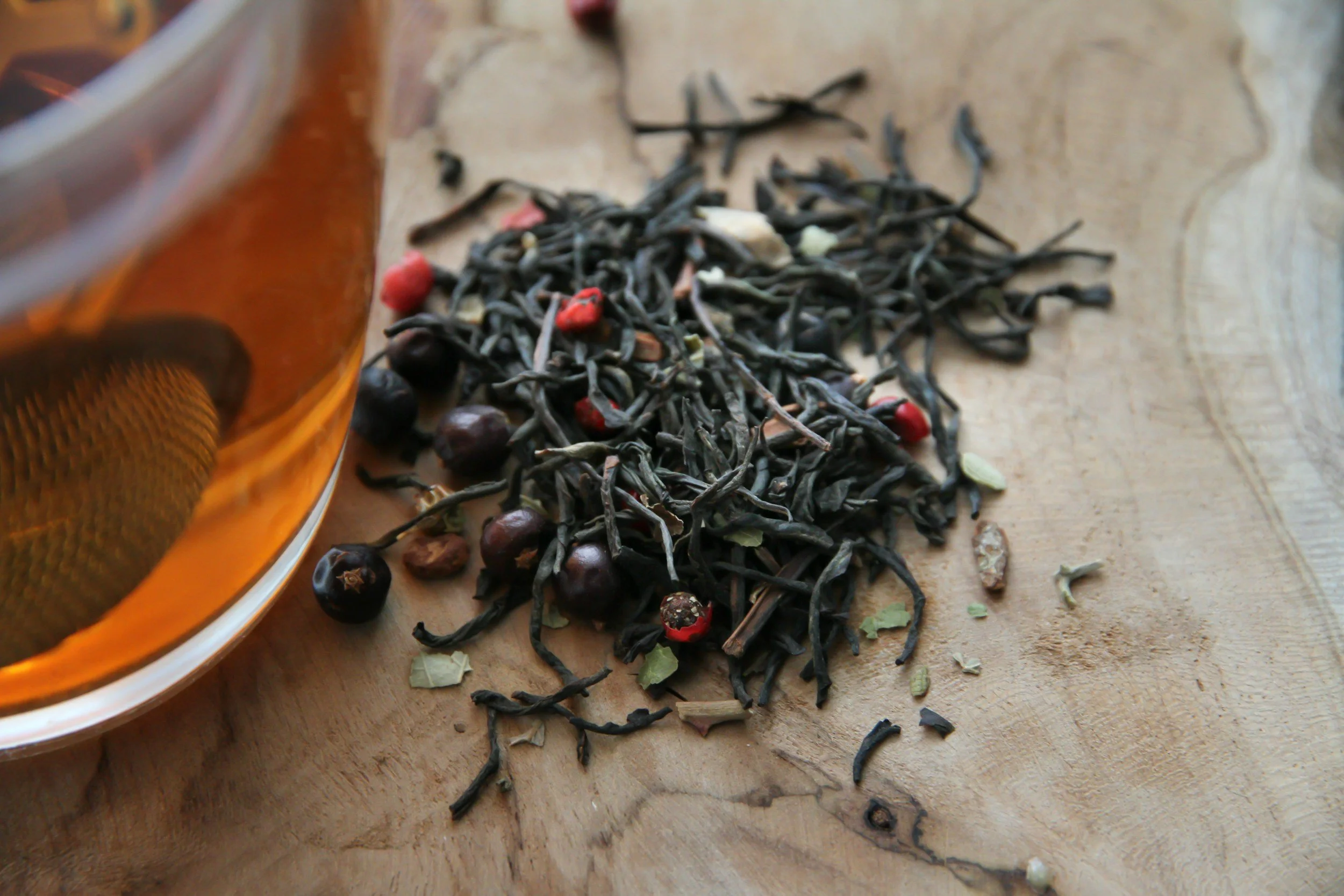
Loose-leaf tea allows the herbs space to expand, release their oils, and fully express themselves. You’ll notice the difference immediately in both flavor and aroma.
Whole Leaf or Full Leaf Labels
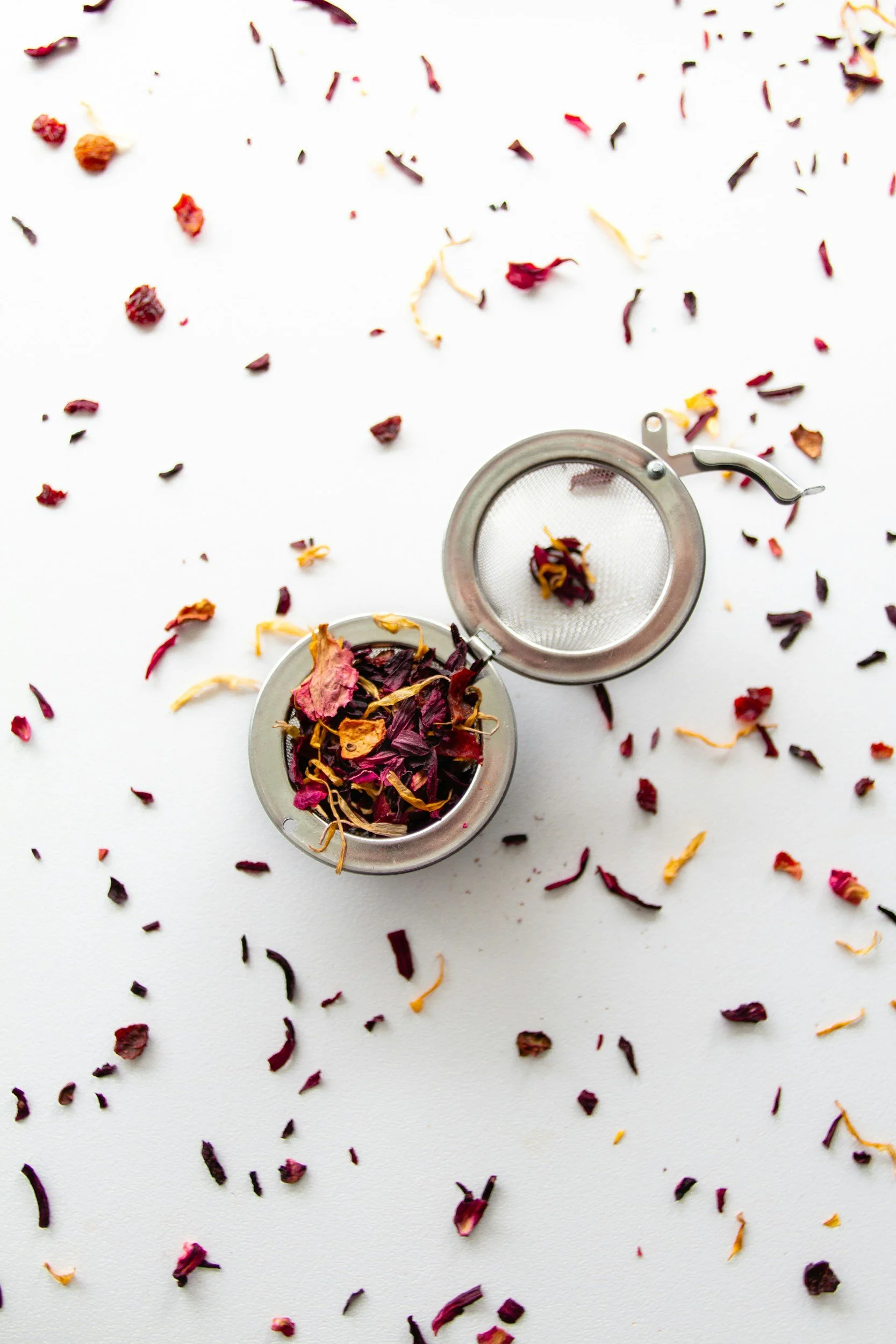
Look for terms like “whole leaf,” “full leaf,” or “whole plant.” These indicate minimal processing and higher-quality material. You should be able to see the leaves, flowers, roots, and berries, not just powder.
The Beauty of the Whole Plant
There is something deeply grounding about seeing the whole plant swirling in the water. The curve of a leaf, the softness of a flower, the richness of a root. Whole plants carry their story with them, their color, scent, and texture intact. When we honor herbs in their complete form, we allow them to offer their full spectrum of benefits.
Herbal tea is not meant to be flavored water. It is a living tradition, rooted in respect, patience, and care. Choosing organic, loose-leaf, herbalist-formulated tea is a return to that tradition and an invitation to slow down, listen, and receive what the plants are offering.
A Little Experiment for You
If you’re open to it, I’d love for you to try something at home. Think of it as a small tea ritual experiment. It’ll be fun, I promise!
Grab one of your usual tea bags. Heat enough water for two cups.
For the first cup, steep the tea bag as you normally would.
For the second cup, take another tea bag, cut it open, release the plant material directly into the mug, and discard the bag.
Steep both cups for the same amount of time. Let’s say five minutes.
When the timer goes off, pause. Notice the color. Bring the cup to your nose. Take a sip of each. (maybe strain the loose one first so you don’t have to pick tea off your tongue)
Most people notice right away that the loose plant material produces a deeper color, fuller aroma, and more rounded flavor. The tea bag, meanwhile, has absorbed some of the very oils you’re trying to drink.
This is one of the reasons I’m so passionate about loose-leaf herbal tea. Whether it’s a nourishing blend like Restore (my personal favorite) or a calming favorite like Chill Out, the plants deserve space to open, expand, and fully express themselves.
If you’re feeling called to experience the difference for yourself, you’re warmly invited to explore my loose-leaf, herbalist-formulated blends. Each one is handcrafted with whole, organic plants and made to support the body in a deeper way.
→ Explore Lunaria Herbals Blends
Warmly,
Samantha