

What Are Adaptogens? Benefits, Science, True Adaptogenic Herbs and Wellness Hype
If you’ve walked through a health food store lately, you have seen the word adaptogen everywhere. The buzz became extremely popular about 10 years ago but gained momentum 2020 and on. You see it is sprinkled across powders, canned mocktails, protein bars, capsules and even candies that promise calm focus and endless resilience.
Somewhere along the way, this very specific scientific term became a marketing umbrella.
As an herbalist, I want to bring this conversation back to center. Not to dismiss adaptogens, but to understand them properly. Because I am not anti-adaptogen! Not at all. I respect these plants deeply as I do all of nature. I simply believe we just need to know what we are taking and why.
Especially in the herbal world, where people often assume plants are mild or insignificant, we forget that subtle does not mean powerless. Especially in the case of adaptogens that work overtime.
What Is an Adaptogen?
The term “adaptogen” was coined by Russian scientists in the mid-20th century while researching ways to enhance stamina and productivity without using amphetamines.
An adaptogen is defined as a substance that assists a living organism in adapting to environmental, physical, or psychological stress. This sounds very broad I know, but that’s because it is.
For a substance to qualify, it must meet three criteria:
It must be non-toxic at therapeutic doses
It must have a non-specific action that increases resistance to a wide range of stressors
It must be normalizing, meaning it helps the body maintain homeostasis
That “normalizing” piece is important. Adaptogens are not stimulants. They are not sedatives. They function more like a thermostat than a light switch, gently nudging systems up or down depending on what is needed. If cortisol is elevated, certain adaptogens may help regulate it. If someone is depleted, they may help restore balance. They are not forcing the body. They are supporting its capacity to self-regulate.
They primarily influence the HPA axis and the sympathoadrenal system (help the body regulate responses to environmental stimuli), two interconnected stress response networks involving the nervous, endocrine, immune, and cardiovascular systems. This is about whole-body regulation, not just your adrenal glands.
And stress is not only emotional. Chronic inflammation, intense exercise, blood sugar instability, poor sleep, nutrient depletion, and even autoimmune activity all register as stress within the body.
True Adaptogens
Only a small number of substances are widely recognized as true adaptogens, and not all of them are plants. These include:
American Ginseng (Panax quinquefolius)
Moistening and mild, often better suited for dry or depleted constitutions.Asian Ginseng (Panax ginseng)
Warming and stimulating. Traditionally reserved for elders in classical practice.Eleuthero (Eleutherococcus senticosus)
Generally milder and adaptable for a broader range of people.Rhodiola (Rhodiola rosea)
Quite stimulating and drying. Not ideal for everyone.Ashwagandha (Withania somnifera)
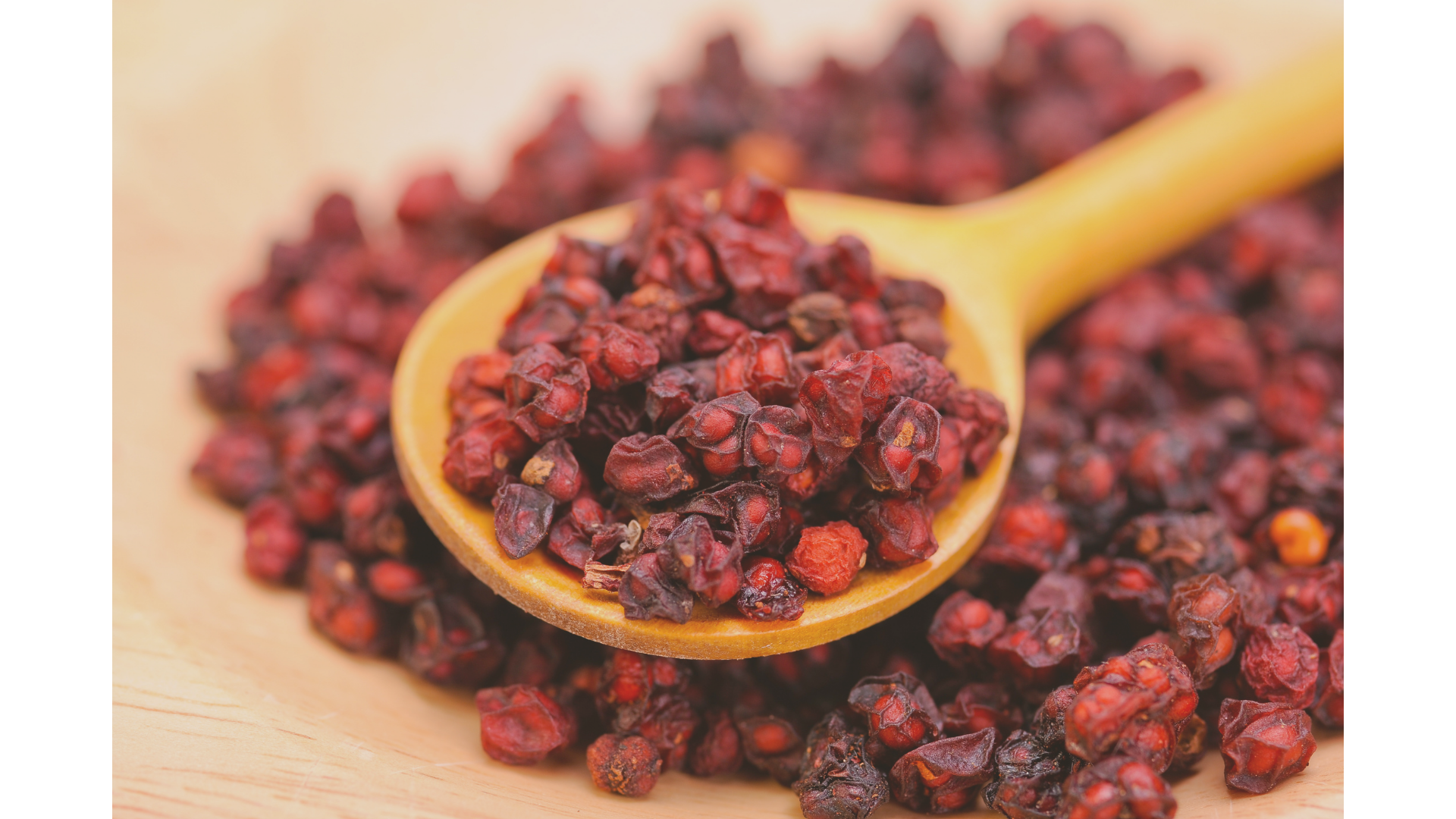
Nourishing to the nervous system and muscles. Calming at appropriate doses but stimulating in higher amounts.Schisandra (Schisandra chinensis)
Astringent and antioxidant-rich, supportive to liver, lungs, and cognitive function.Cordyceps (Cordyceps sinensis) *fungus
Known for respiratory and endurance support.Shilajit *resin
A mineral-rich resin traditionally used to enhance vitality.
Each adaptogen has its own personality. Some stimulate, some calm, some are drying, some are moistening and dosage matters as well as your individual constitution.
Energetically, many lean warm to hot, which can aggravate individuals who already run inflammatory or overheated.
*A Note on Ashwagandha and Autoimmunity*
Ashwagandha seems to be the one most talked about and used in products. I am not sure why this one herb has gained so much popularity but popular doesn’t always equal better. This plant belongs to the nightshade family, which is why it is not considered Autoimmune Protocol friendly. Some individuals with autoimmune conditions or nightshade sensitivities may experience flares or digestive discomfort.
Again, personalization matters.
I will share more about my personal experience with this herb in another post.
Deeper Than Adaptogens
The most accepted modern theory is that adaptogens help buffer the effects of stress by modulating the HPA axis and the sympathetic nervous system.
While yes, chronic stress elevates cortisol, we can’t forget about what’s deeper - our mitochondrial function - prolonged elevation of cortisol can impair how our cells generate energy. This is where a lot of confusion begins.
Many people assume their fatigue is caused by “burned-out adrenals.” In reality, your steady daily energy comes from your mitochondria, the cellular structures that produce ATP through the Krebs cycle.
That cycle depends on nutrients like:
Magnesium
B vitamins
Amino acids from protein
Vitamin C
Amino acids from protein
If you are deficient in these, adaptogens will not solve the root cause.
Nutrient deficiencies do exist.
Ancient Roots, Modern Label
While the term “adaptogen” is modern, the use of these plants is not.
Many traditional medical systems, including Traditional Chinese Medicine and Ayurveda, have worked with what we now classify as adaptogenic herbs for centuries. In those systems, herbs that build vitality, longevity, and resilience were matched carefully to the individual’s constitution, life stage, and pattern of imbalance.
They were never handed out as universal tonics for everyone and that matters, because today, adaptogens are often marketed as catch-all solutions, when historically they were used consciously and with a specific focus.
Adaptogens vs Nervines
I wanted to touch on Nervines for a minute in regard to stress and feeling overly stimulated. In this case, nervines work in the moment and are better suited for instant relief.
If what you are experiencing feels like nervous system overload rather than systemic depletion, you may benefit more from a nervine.
For example, Passionflower works directly on the nervous system to promote calm and is particularly helpful for racing or recursive thoughts. Adaptogens work more broadly across stress physiology, while nervines target the nervous system more specifically.
Different tools. Different intentions. Both wonderful options.
Where the Marketing Goes Wrong
The adaptogenic marketplace is massive, and profit is often prioritized over education.
Some common misconceptions:
“Adaptogens benefit everyone.” No herb benefits everyone. (be aware of marketing schemes)
“All adaptogens are interchangeable.” Specificity is the heart of herbal medicine, and each has a distinct personality and energetic.
“They are a free source of energy.” They do not override poor sleep, inadequate nutrition, or chronic overextension. They support adaptation and are not a quick energy boost.
“Any herb can be labeled adaptogenic.” This is simply untrue and often inflated for marketing (yet again) The criteria are very specific.
“They are harmless.” A very dangerous and unknowledgeable claim. Overuse, especially of concentrated extracts, can suppress your body’s natural fatigue signals.
The Bigger Picture
I believe Adaptogens should be used consciously, as I believe all plant medicine should!
Adaptogens can be incredibly supportive when used consistently, in appropriate doses, and alongside meaningful lifestyle changes. They can help someone rebuild after burnout or increase resilience during demanding seasons.
But they should not be used to tolerate an unsustainable life.
If your body is whispering that it is exhausted, inflamed, undernourished, or overwhelmed, the answer may not be a stronger extract. It may be minerals, protein, sleep, boundaries, and nervous system repair.
Adaptogens are allies. Plants are never shortcuts.
And in herbalism, discernment will always be more powerful than trends.
If you’d like to learn more about adaptogens and how to incorporate them into your daily wellness routine, you can reach out to me HERE! I love any opportunity to talk plants <3
Warmly,
Samantha