

What Is Herbalism? A Return to the Wisdom of Plants & the Body
The Roots of Herbal Medicine
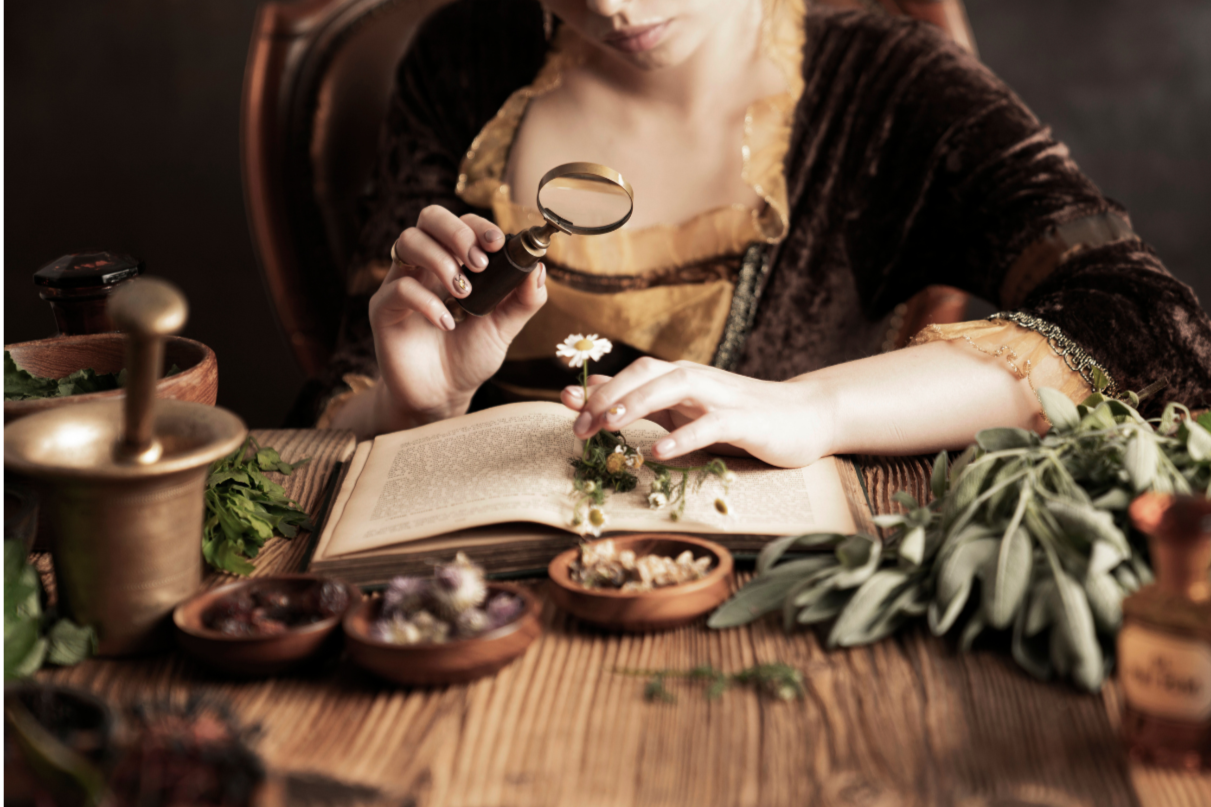
Herbal medicine is the art and practice of using herbs and herbal preparations to maintain health, prevent illness, and support the body in healing.
It is both ancient and deeply relevant.
For centuries, plants have been our first medicine. Across ancient cultures, herbal medicine guided the way to healing, offering support that was not separate from daily life, but woven into it. Herbalism connected people to the rhythms of nature, to the seasons, and to their own bodies in a way that felt intuitive and whole.
What Is Herbalism, Really?
Herbalism is often described simply as using plants for healing, but in practice, it is much more layered than that. It is a partnership between you and the plants.
It asks you to listen to your body, to understand its patterns, and to respond with care rather than urgency. Herbs are not here to override your body or silence its signals. They work with your systems, gently guiding them back into balance.
Herbalism encourages a deeper awareness of your body’s needs. It supports stress management, digestion, and overall wellness in a way that is both natural and sustainable. But beyond the physical, it also nurtures self-awareness, helping you make informed and empowered choices about your health.
To practice herbalism is to take an active role in your well-being.
It reconnects us with natural ingredients and materials, not only those we consume or in a medicinal sense, but those that carry energy. The vibrational essence held within all of nature can be felt through plants, mushrooms, nutrient-dense foods, tree bark, and resins like frankincense. Herbalism invites us into relationship with all of it, expanding our understanding of what true nourishment can be.
It is an accessible and holistic approach that supports the body’s innate ability to maintain balance, prevent illness, and address imbalances before they deepen. And in doing so, it reconnects you not only to your body, but to the natural world and its abundance.
Healing at the Root
The true intention of herbalism is not to temporarily alleviate an ailment, but to actually heal.
Herbs are not designed to take over the body or act as a replacement for it. Instead, they guide, support, and encourage the body’s own intelligence. They work with your systems, helping them regulate and restore balance rather than forcing a singular outcome.
In the medicinal sense, we use plants to support the body’s innate healing processes, focusing on the root cause rather than simply easing symptoms in the moment. This is where herbalism begins to create lasting change, not only physically, but in the way we think and live.
Because it is never just about the plants. Through this work, we begin to build deeper relationships with ourselves. Healing expands beyond the physical body, reaching into the mind, our awareness, and even the soul. This is where true, whole healing begins to take shape.
What Is an Herbalist?
So what does it actually mean to be an herbalist?
An herbalist is someone who works in the tradition of plant medicine, using herbs to support the body, mind, emotions, and spirit. But there is no single definition or path.
Some herbalists work within folk traditions, practicing kitchen herbalism and home remedies. Others follow established systems such as Ayurveda or Traditional Chinese Medicine. Some take a more clinical approach, while many blend different traditions together. What unites them is a shared devotion to the plants.
Herbalists are people who love the earth and its medicine. They study plants and their traditional uses, not only to deepen their own understanding, but to support their communities in meaningful ways. They believe in the ability to choose a more aligned approach to health and often question systems that leave people feeling dependent or disconnected from their own bodies.
Plant medicine itself is a wide and expansive practice. It involves working with plants to influence the chemistry and functions of the body, while also supporting emotional and energetic balance.
Within that space, herbalists take on many roles, but at the heart of it, they are guides.
The Role of the Herbalist in Today’s World
As an herbalist, I see myself as a bridge. A bridge between the earth’s healing modalities and the people who are seeking them. I work with the intelligence of nature, with the elements, and with the gifts that the earth provides, maintaining a deep and respectful relationship with it all.
And in the world we live in today, this work feels more important than ever. We are living in a way that is often disconnected, fast-paced, and unsustainable, not only for the body, but for the mind and spirit as well. Over time, this disconnection has contributed to a deep level of imbalance and unwellness.
When we begin to return to natural living, something shifts. When we are well, we gain the capacity to care for ourselves more deeply, to show up for others, and to nurture the planet in return. In doing so, we begin to care for the very medicine that heals us. It becomes a cycle, one that is reciprocal, supportive, and deeply interconnected.
Herbalists also play an important role as advocates.
Through herbs, nutrition, and mindful practices, they help individuals navigate their health with greater clarity. Their work can complement modern medicine, helping to reduce reliance where appropriate, ease side effects, and support the body more holistically.
As an herbalist, I do think there is a duty to ongoing study and commitment. It is not just about learning plants, but about understanding the body, its systems, and how everything works together as a whole.
A Different Approach to Health
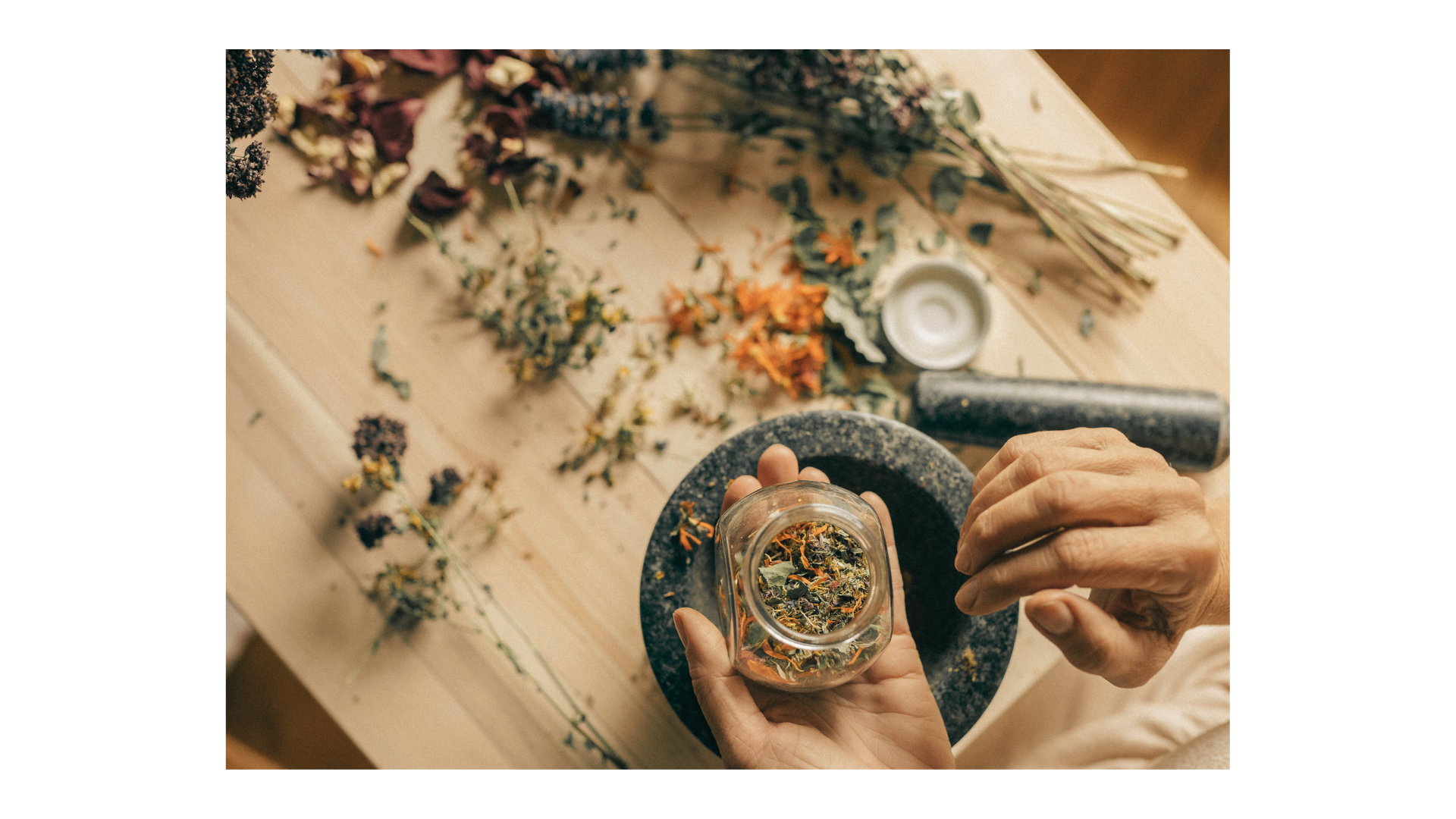
Plants offer more than just physical support. Through their unique compounds and their presence, they support emotional and mental well-being while deepening our connection to the natural world.
Herbalism invites us to reawaken that connection.
It encourages a more conscious, eco-aware approach to healing, one that honors the earth while also honoring ourselves. As we learn, grow, and immerse ourselves in this practice, something powerful happens.
We become empowered.
We begin to trust our bodies. We make informed choices. We reclaim a sense of sovereignty over our health and well-being. And that awareness naturally begins to ripple into other areas of our lives.
Why Herbalism Matters Now More Than Ever
Many people have begun to question the way modern healthcare approaches wellness.
Too often, the focus is placed on managing symptoms rather than addressing root causes. This can lead to a cycle of dependency, where individuals feel disconnected from their own healing process.
Herbalism offers another perspective.
It reminds us that the body is intelligent and capable. That healing is not about control, but about support. Rather than masking symptoms, herbs work to restore balance, helping the body return to a state of equilibrium.
This approach is not only effective, but sustainable.
What Herbalism Means to Me
For me, herbalism is about working with the whole plant, its chemistry, its energy, and its spirit, to support the whole person.
It’s about honoring the wholeness of nature and recognizing that we are not separate from it. It’s about helping people feel more connected, more balanced, and more in tune with themselves in their everyday lives. And it’s about understanding that healing exists on many levels, not just in the physical body, but within our thoughts, our emotions, and our inner world.
Herbalism is not just something I practice.
It is something I live.
Herbalism is not about doing everything perfectly. It’s about beginning to listen.
And when you do, you may find that what you were searching for was never outside of you to begin with.
Step into your power. Trust nature, trust yourself.
🌿
If you feel called to step into your herbalism journey and would love some guidance, I am here to help and would love to chat all things plants!
Send me an email @ lunariaherbals@gmail.com
Browse my herbal blends to get started⬇️